Course Syllabus
Introduction
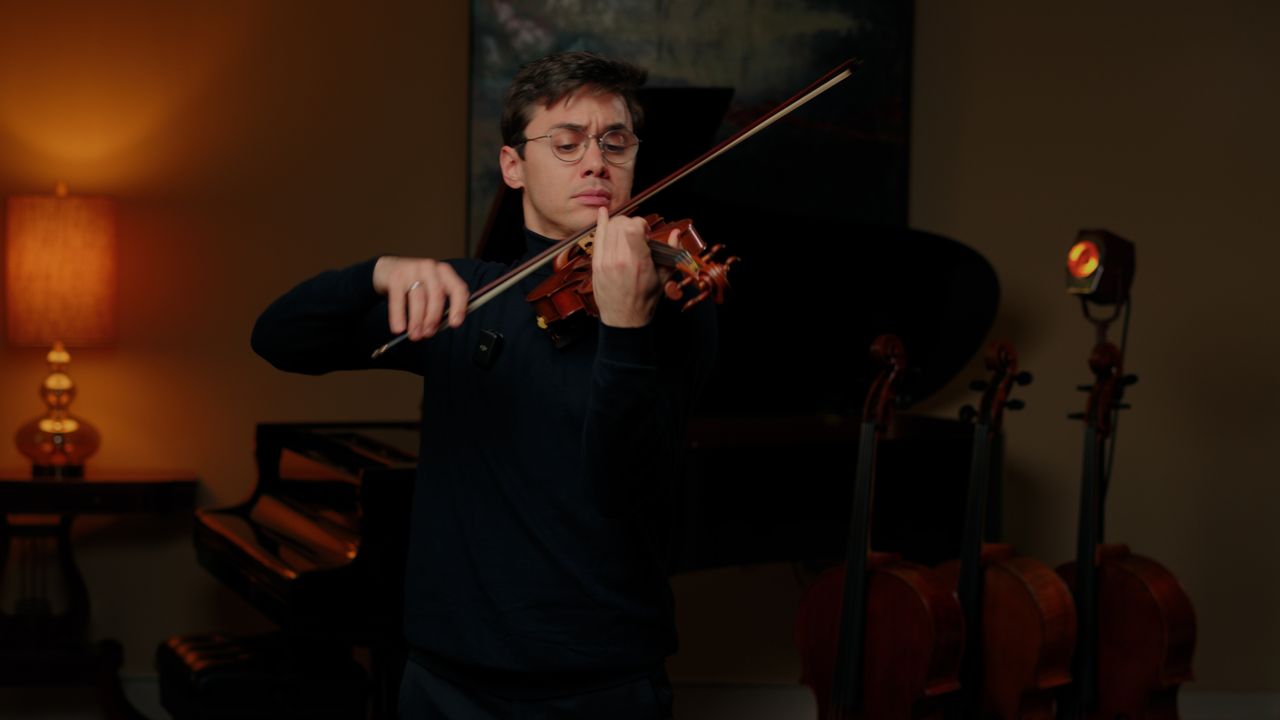
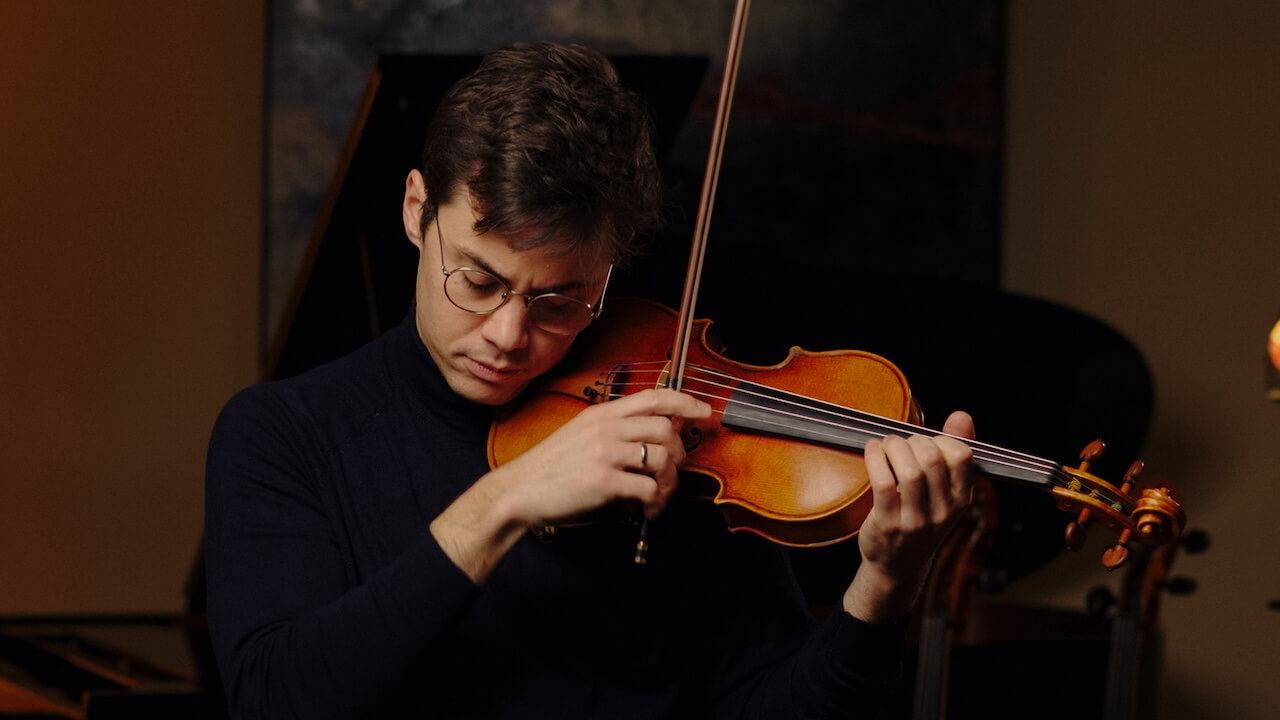
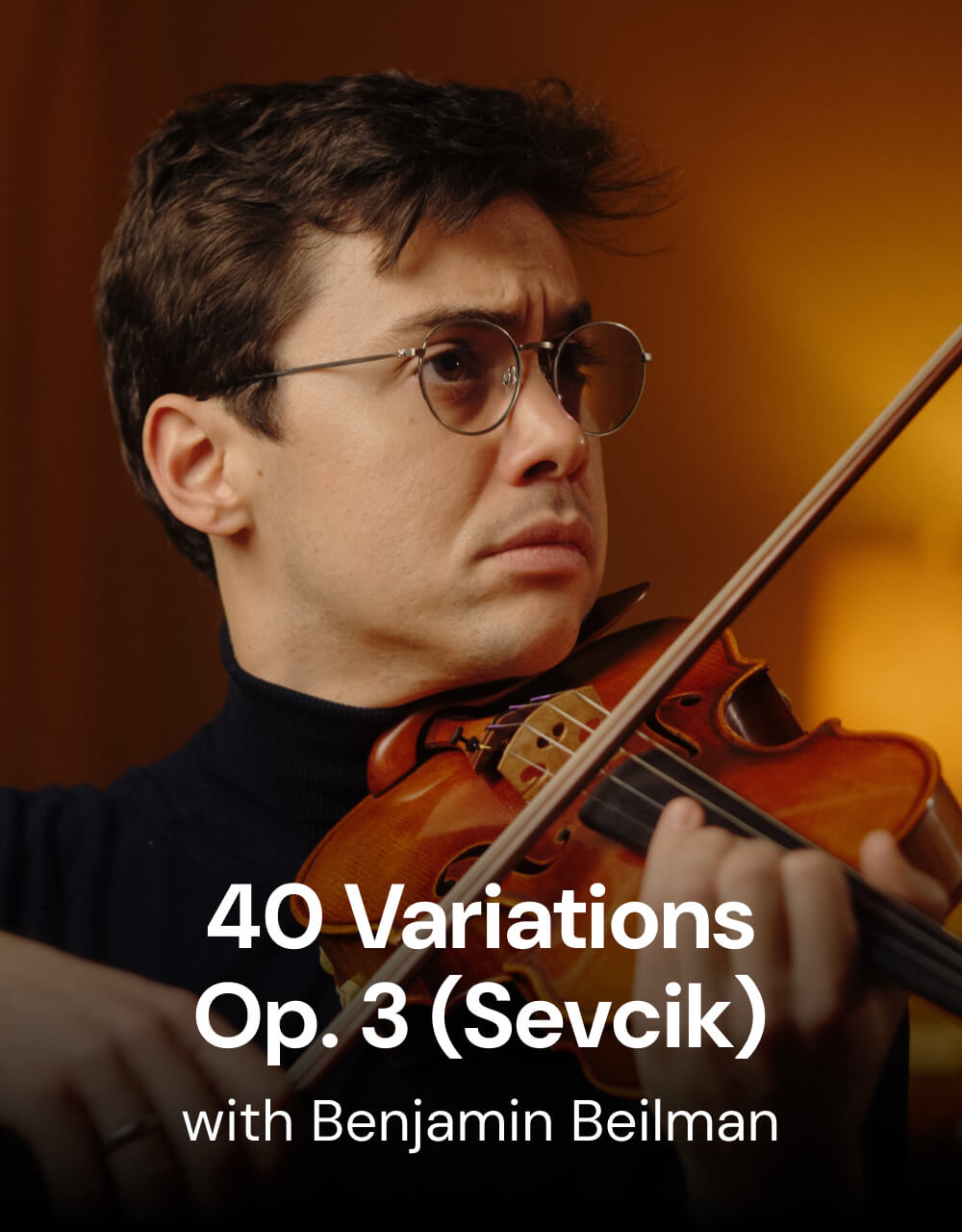
Benjamin Beilman outlines the artistic and analytical mindset needed to approach Saint Saëns Violin Concerto No. 3. He highlights the importance of understanding the composer, the historical context, and the expressive language of the score, then explains how these elements guide phrasing, color, and technical choices throughout the concerto.
I. Allegro non troppo
Beilman breaks down the opening movement by examining its themes, transitions, and structural clarity. He shows how Saint Saëns writes with both Mendelssohnian influence and a strong personal voice, and he focuses on shaping lines, interpreting contrasts, and integrating the composer’s markings into a coherent musical narrative.
II. Andantino quasi allegretto
Beilman explores the Andantino quasi allegretto through its barcarolle character, rhythmic sway, and gentle simplicity. He demonstrates how to find the right sound, color, and vibrato choices, how to react to the orchestra’s textures, and how to build phrasing that reflects the flowing, understated elegance of the movement.
II. Andantino quasi allegretto
Beilman explores the Andantino quasi allegretto through its barcarolle character, rhythmic sway, and gentle simplicity. He demonstrates how to find the right sound, color, and vibrato choices, how to react to the orchestra’s textures, and how to build phrasing that reflects the flowing, understated elegance of the movement.
Click here to download the course workbook PDF and see the full syllabus →